
Product Description
Manufacturer Custom Excavating Arm Cylinder Wheel Excavator Hydraulic Oil Cylinder
Product Parameters
|
Product Name |
Excavator Hydraulic Cylinder |
|
Work Press |
7/14/16/21/31.5/37.5/63MPa, Customized |
|
Material |
Aluminum,Cast Iron,45# Steel,Stainless Steel |
|
Bore Size |
40mm–320mm,Customizable |
|
Shaft Diameter |
20mm–220mm,Customizable |
|
Stroke Length |
30mm–14100mm,Customizable |
|
Delivery Time |
1-7 work days |
Related Products
| Boom cylinder Arm cylinder Bucket cylinder | |||||
| PC40-5 | PC55U-2 | PC60-2/5/6 | PC100-/3/5/6 | PC120-3/5/6E | PC150-5 |
| PC200-1/2/3 | PC200-5/6-7 | PC220-2/3/5 | PC220-6/7/8 | PC228 | PC210-6/7 |
| PC270-7 | OC300-3/5/6/7 | PC350-6/7 | PC360-7 | PC400-3/5/6 | PC450-6 |
| PW100-3 | |||||
| HITACHI | |||||
| EX60-2/3 | EX100-1 | EX120-2A | EX160-3 | EX200-1/2/3/5/6/7 | EX220-2/3/5 |
| EX225 | EX300-3/5 | EX350-5 | EX400-3/5 | EX230 | EX270 |
| ZX200 | ZX210 | ZX230 | ZX240-3 | ZX330 | ZX360 |
| UH07-7 | UH16 | EX120-2/3 | |||
| DAEWOO | |||||
| DH55-6 | DH60-7 | DH130 | DH200-2 | DH220-5 | DH220-3 |
| DH225-7 | DH220-7 | DH258-7 | DH280 | DH300 | DH300-5/7 |
| DH290 | DH320 | ||||
| VOLVO | |||||
| EC210B | EC240B | EC260B | EC290B | EC360B | EC450B |
| HYUNDAI | |||||
| R55 | R60-5/7 | R130 | R200-5 | R210-5 | R220-5 |
| R260LC-5 | R280 | R290 | R300 | R305-7 | R450-5 |
| R215-7 | R210LC-3 | R335-7 | |||
| KOBELCO | |||||
| SK07/NI/N2 | SK60 | SK100-3/6 | SK120-1/3/5/6 | SK200-1/3/5/6/6E | SK220-3 |
| SK220-3 | SK230 | SK230-6-6E | SK250-8 | SK300 | SK300-2 |
| SK310 | SK330-6 | SK350-6 | SK450-6E | ||
| E70 | E110 | E120 | E120B | E200B | E320 |
| E320B | E320C | E320D | E300B | E300 | E312 |
| E312B | E315A | E320BL | E325 | E325B | E330L |
| E330D | E330C | E330B | |||
| SUMITOMO | |||||
| SH60 | SH100 | SH120-3 | SH200-A1/A2/A3 | SH200-3G | SH300 |
| SH300-A2 | SH300-A3 | LS260 | LS280EJ | LS280FJ | |
| KATO | |||||
| HD250-7 | HD307 | DH400-1/7 | HE450-6-7 | HD512 | HD550-1-7 |
| HD700-2/5/7 | HD800-7 | HD820 | HD820-3 | HD900-5/6 | HD1571 |
| HD1250-7 | HD1430 | HD1850 | |||
We also can supply more excavator parts
| Liner Kits | Start Motor | Hydraulic pump |
| Cylinder Head & Block | Alternator | Gear Pump |
| Crankshaft & Camshaft | Governor Motor | Radiator |
| Overhaul Gasket | Monitor & Controller | Bearings & Gears |
| Turbocharger | ECU | Pilot valve |
| Water Pump | Solenoid Valve | Foot valve |
| Fuel injector | Sensors | Rubber Parts |
| Fuel Pump | Wiring Harness | Hose Pipe |
| Oil Pump | Ignition Switch | Filter Element |
| Fan Blade | Oil Cooler Cover | Oil Cooler Core |
| Compressor | Evaporator | Blower Motor |
| Radiator | Pressure gauge |
More Breaker Brand Models
Various models of excavator (more than these)
| HYUNDAI | R55 R60 R80 R130LC-3-5 R200 R200-5 R210 R215-7/9 R220-5 R225LC-7/9 R290 R290 R290LC-7 R300LC R305LC R330LC R375 R360LC-7 R450LC |
| CATEEE | CATEE305.5 CATEE306 CATEE307 CATEE308 CATEE312 CATEE315 CATEE320 CATEE323 CATEE324 CATEE325 CATEE326 CATEE330 CATEE336 CATEE345 CATEE349 CATEE365 CATEE374 CATEE390 |
| KOMATSU | PC45 PC50 PC55 PC56 PC60-5-6-7 PC60-8 PC70-8 PC78 PC100-3 PC120-6 PC130-7 PC200-7/8 PC220 PC270 PC240 PC300-6/7 PC360 PC400-6/7/8 PC450-6 PC600-6 PC650-3 PC650 PC800 PC1000 PC1200 PC1250 |
| ZXAIS/HITACAI | EX35 EX40 EX55 EX60 EX60-3 ZX200 ZX210 ZX250 ZX290 ZX330 ZX470 EX1000 EX1200 |
| VOLVO | EC55 EC60 EC140BP EW145BP EW160BB EC210 EC240 EC290 EC360LC EC380.EC460 EC480 EC700 |
| KOBELCO | SK35 SK50 SK60 SK75 SK100 SK120 SK200-1-2-3-4-5-6 SK230 SK250 SK260 SK280 SK300 SK330 SK330-6 SK350 SK400 SK450 SK480 |
| DOOSAN/DAEWOO | DH35 DH55 DH60 DH55 DH60 DH80 DH80-7 DH80GOLD DH150 DH200 DH220-3-5 DH280-5 DX60-DX200-DX225 DX260 DH290 DH360 DH420 DH500 |
| SUMITOMO | SH55 SH60 SH75 SH50 SH100 SH120 SH200 SH200-3-5 SH220-2-3 SH280 SH300 SH350 SH400 SH450 |
| KATO | HD820 HD1571 HD1430 HD2045 HD700 |
| SANY | SY55 SY60 SY65 SY70 SY75 SY85 SY95 SY115 SY135 SY155 SY195 SY200 SY205 SY215 SY220 SY225 SY235 SY245 SY285 SY305 SY335 SY365 SY375 SY395 SY415 SY485 |
| LIUGONG | CLG904 CLG9055 CLG906 CLG907 CLG9075 CLG908 CLG915 CLG150 CLG920 CLG921 CLG922 CLG225 CLG924 CLG925 CLG933 CLG936 CLG939 CLG942 CLG948 CLG950 CLG952 CLG200 CLG205 CLG220 CLG225 |
| KUBOTA | KX135 KX185 KX155 KX161 KX163 KX165 KX183 |
| IHI | IHI35 IHI50 IHI60 IHI55 IHI80 IHI100 |
| XCMG | XE55 XE60 XE65 XE75 XE80 XE85 XE135 XE150 XE155 XE200 XE205 XE215 XE225 XE245 XE270 XE305 XE335 XE370 XE380 XE400 XE470 XE490 XE700 |
| YANMAR | ViO35 ViO55 ViO75 |
| CASE | CX50 CX55 CX58 CX75 CX210 CX240 CX290 CX330 |
| YUCHAI | YC35 YC50 YC55 YC60 YC65 YC85 YC135 YC230 |
| JCB | JS130 JS210 JS220 JS290 JS330 |
Main Product
Excavator Bucket Boom Arm Cylinder1.Rod seal:superior quality named-brand seals improve a longer life and seal effect polyurethane U-packing rod seals
buffer seals-bonded-to-metal wiper seals custom seals available
2.Skived&burnished or vertical honing tube assures the concentricity and straightness
3.Bushing:Hardened steel bushing or copper bushing
4.Eye:All eyes are made of forged high strength steel improve cylinder not only in appearance but in mechanical performance
5.Rod:Induction hardened prior to chrome plating enhances the surface hardness,enhanced chrome plating improve corrosion resistence and anti-scratch performance
6.Piston:High pressure piston sealing material teflon or nylon seals.High precision machining maximize the consistency of parts.
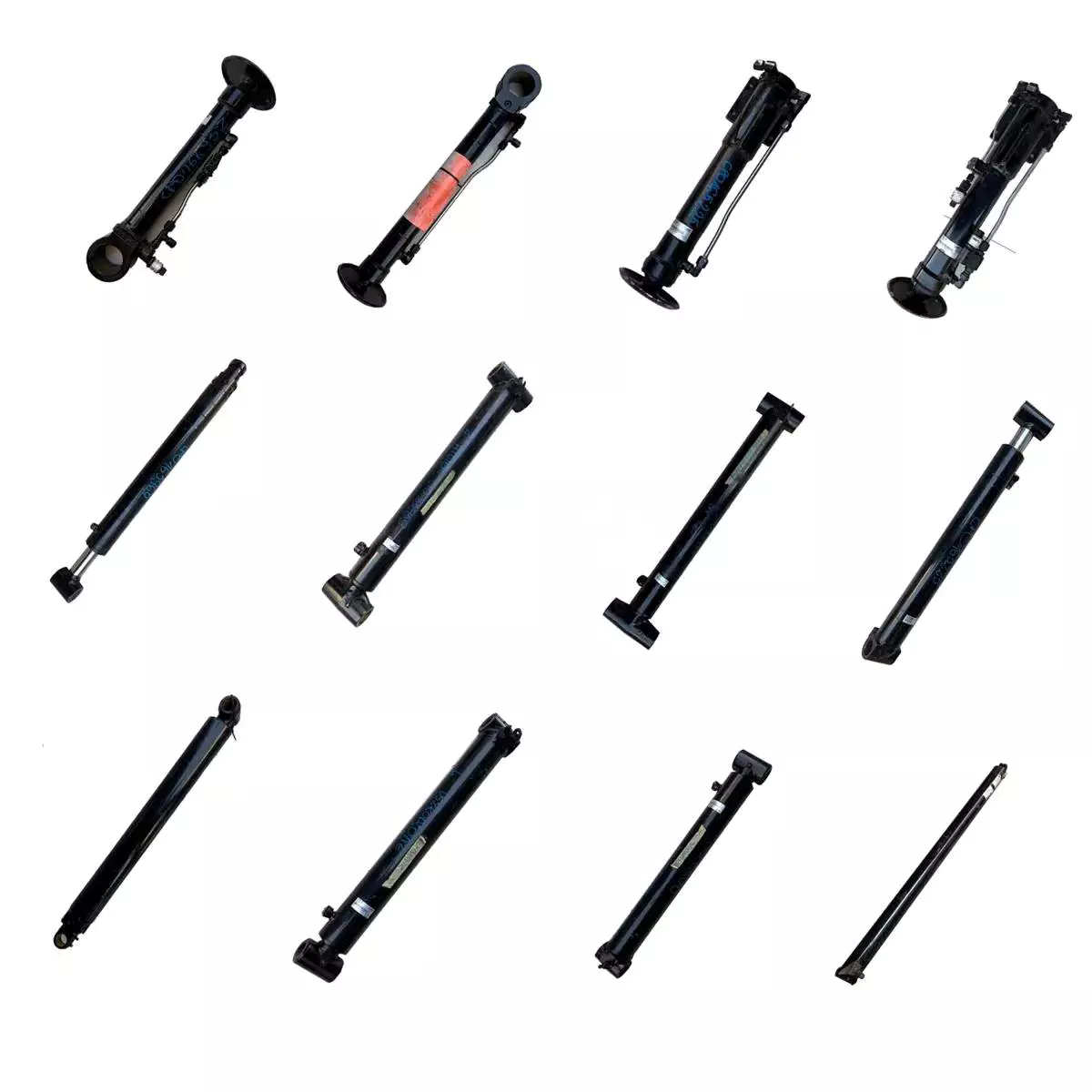
Available Excavator hydraulic oil cylinder
Company Profile
Xihu (West Lake) Dis.an Machine Equipment Co., Ltd.
HangZhou Xihu (West Lake) Dis.an Machinery Co., Ltd (EB Seals) is a professional supplier for hydraulic breaker parts and excavator parts and OEM hydraulic seals manufacturer. We specialize in completed seal kits and separate seals for hydraulic breaker and excavator more than Ten years in HangZhou, China.
HangZhou Xihu (West Lake) Dis.an supply almost all brands breakers’ parts like Seal kits, Diaphragm, Piston, Chisel, Wear Bush upper and lower, Rod Pin, Through Bolts, Side Bolts, Control Valve,Front Head, Cylinder, Accumulator, N2 Gas Charging Kit, etc. We insist on high quality parts with genuine and OEM after market replacement parts.
Specializes in:
–Hydraulic hammer breaker;
–Hydraulic breaker parts.
FAQ
Q1. How many days for the delivery time ?
It is about 3-7 working days after the order confirmation.
Q2. What kind of payments you accept?
Now we accept T/T, L/C or Western Union, other terms also could be negotiated, Recommended Trade Assurance to guarantee buyer’s property.
Q3. Are you able to manufacturing products according to customer’s design?
Sure, we have made many special orders from oversea for 10 years since 2571. So we have enough ability to deal with any cases. OEM certificate is available to provided.
Q4. What’s your advantages in the machinery manufacturing industry?
Fast delivery time, High quality products, Best customer service, Adopting the latest production technology.
Q5. Which countries have you been exported recently?
Canada, Australia, Peru, Egypt, Brazil, Mexico, South Africa, etc.
Q6. Are you sure that your product will fit my hydraulic breaker?
We have different brand hydraulic oil cylinder. Show me your model number, and we can give you best match products.
Q7. How about the Q7.packing of the goods?
Standard export package, wood cases, or as customers’ demands.
| After-sales Service: | Online |
|---|---|
| Warranty: | 3 Month |
| Type: | Excavator Bucket |
| Application: | Excavator |
| Certification: | CE |
| Condition: | New |
| Customization: |
Available
|
|
|---|
How do hydraulic cylinders handle the challenges of precise positioning and control?
Hydraulic cylinders are designed to handle the challenges of precise positioning and control with a combination of engineering principles and advanced control systems. These challenges often arise in applications where accurate and controlled movements are required, such as in industrial automation, construction, and material handling. Here’s a detailed explanation of how hydraulic cylinders overcome these challenges:
1. Fluid Power Control:
– Hydraulic cylinders utilize fluid power control to achieve precise positioning and control. The hydraulic system consists of a hydraulic pump, control valves, and hydraulic fluid. By regulating the flow of hydraulic fluid into and out of the cylinder, operators can control the speed, direction, and force exerted by the cylinder. The fluid power control allows for smooth and accurate movements, enabling precise positioning of the hydraulic cylinder and the attached load.
2. Control Valves:
– Control valves play a crucial role in handling the challenges of precise positioning and control. These valves are responsible for directing the flow of hydraulic fluid within the system. They can be manually operated or electronically controlled. Control valves allow operators to adjust the flow rate of the hydraulic fluid, controlling the speed of the cylinder’s movement. By modulating the flow, operators can achieve fine control over the positioning of the hydraulic cylinder, enabling precise and accurate movements.
3. Proportional Control:
– Hydraulic cylinders can be equipped with proportional control systems, which offer enhanced precision in positioning and control. Proportional control systems utilize electronic feedback and control algorithms to precisely regulate the flow and pressure of the hydraulic fluid. These systems provide accurate and proportional control over the movement of the hydraulic cylinder, allowing for precise positioning at various points along its stroke length. Proportional control enhances the cylinder’s ability to handle complex tasks that require precise movements and control.
4. Position Feedback Sensors:
– To achieve precise positioning, hydraulic cylinders often incorporate position feedback sensors. These sensors provide real-time information about the position of the cylinder’s piston rod. Common types of position feedback sensors include potentiometers, linear variable differential transformers (LVDTs), and magnetostrictive sensors. By continuously monitoring the position, the feedback sensors enable closed-loop control, allowing for accurate positioning and control of the hydraulic cylinder. The feedback information is used to adjust the flow of hydraulic fluid to achieve the desired position accurately.
5. Servo Control Systems:
– Advanced hydraulic systems employ servo control systems to handle the challenges of precise positioning and control. Servo control systems combine electronic control, position feedback sensors, and proportional control valves to achieve high levels of accuracy and responsiveness. The servo control system continuously compares the desired position with the actual position of the hydraulic cylinder and adjusts the flow of hydraulic fluid to minimize any positional error. This closed-loop control mechanism enables the hydraulic cylinder to maintain precise positioning and control, even under varying loads or external disturbances.
6. Integrated Automation:
– Hydraulic cylinders can be integrated into automated systems to achieve precise positioning and control. In such setups, the hydraulic cylinders are controlled by programmable logic controllers (PLCs) or other automation controllers. These controllers receive input signals from various sensors and use pre-programmed logic to command the hydraulic cylinder’s movements. The integration of hydraulic cylinders into automated systems allows for precise and repeatable positioning and control, enabling complex sequences of movements to be executed with high accuracy.
7. Advanced Control Algorithms:
– Advancements in control algorithms have also contributed to the precise positioning and control of hydraulic cylinders. These algorithms, such as PID (Proportional-Integral-Derivative) control, adaptive control, and model-based control, enable sophisticated control strategies to be implemented. These algorithms consider factors such as load variations, system dynamics, and environmental conditions to optimize the control of hydraulic cylinders. By employing advanced control algorithms, hydraulic cylinders can compensate for disturbances and achieve precise positioning and control over a wide range of operating conditions.
In summary, hydraulic cylinders overcome the challenges of precise positioning and control through the use of fluid power control, control valves, proportional control, position feedback sensors, servo control systems, integrated automation, and advanced control algorithms. By combining these elements, hydraulic cylinders can achieve accurate and controlled movements, enabling precise positioning and control in various applications. These capabilities are essential for industries that require high precision and repeatability in their operations, such as industrial automation, robotics, and material handling.
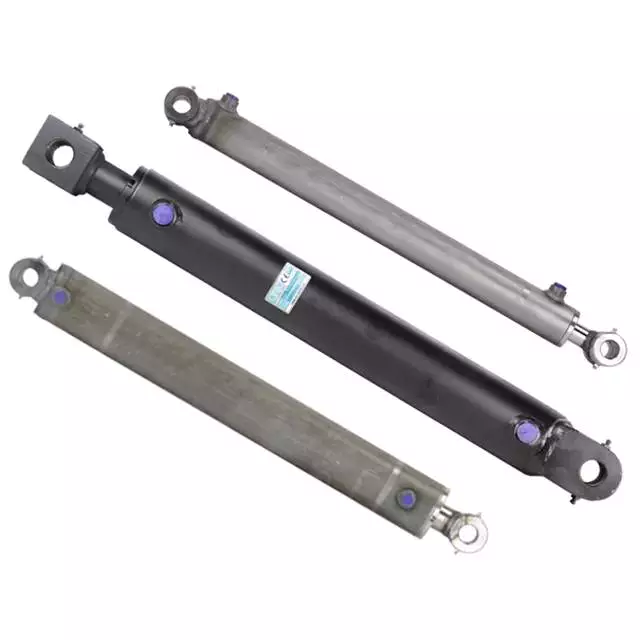
What considerations are important when selecting hydraulic cylinders for mobile equipment?
To select hydraulic cylinders for mobile equipment, several important considerations need to be taken into account. Here are the key factors to consider:
- Load Capacity: Determine the maximum load or force that the hydraulic cylinder will need to support. This includes both the static load and any dynamic or shock loads that may be encountered during operation.
- Stroke Length: Consider the required stroke length, which is the distance the hydraulic cylinder can extend and retract. Ensure that the stroke length is sufficient for the specific application and range of motion needed.
- Operating Pressure: Determine the maximum operating pressure required for the hydraulic system. This will depend on the load and the specific application. Select a hydraulic cylinder with a pressure rating that exceeds the maximum operating pressure to ensure safety and durability.
- Mounting Style: Consider the available space and the mounting requirements of the mobile equipment. Hydraulic cylinders come in various mounting styles, such as flange, trunnion, clevis, and pivot, among others. Choose a mounting style that is compatible with the equipment and provides the necessary support and stability.
- Size and Weight: Take into account the physical dimensions and weight of the hydraulic cylinder. Ensure that it can fit within the available space and that the equipment can support its weight without compromising performance or safety.
- Speed and Precision: Evaluate the required speed and precision of the hydraulic cylinder’s movement. Different cylinder designs and configurations can affect the speed and accuracy of motion. Consider factors such as cylinder bore size, rod diameter, and the presence of cushioning or dampening features.
- Environmental Factors: Assess the operating environment of the mobile equipment. Consider factors such as temperature extremes, exposure to moisture, dust, and chemicals. Select hydraulic cylinders with appropriate seals and coatings that can withstand the environmental conditions and prevent corrosion or damage.
- Reliability and Maintenance: Consider the reliability and maintenance requirements of the hydraulic cylinders. Look for reputable manufacturers that provide high-quality products with a proven track record. Evaluate factors such as expected service life, availability of spare parts, and ease of maintenance.
- Cost: Finally, consider the cost of the hydraulic cylinders, including the initial purchase price, installation costs, and long-term maintenance expenses. While it is essential to find a cost-effective solution, prioritize quality and performance to ensure safe and efficient operation.
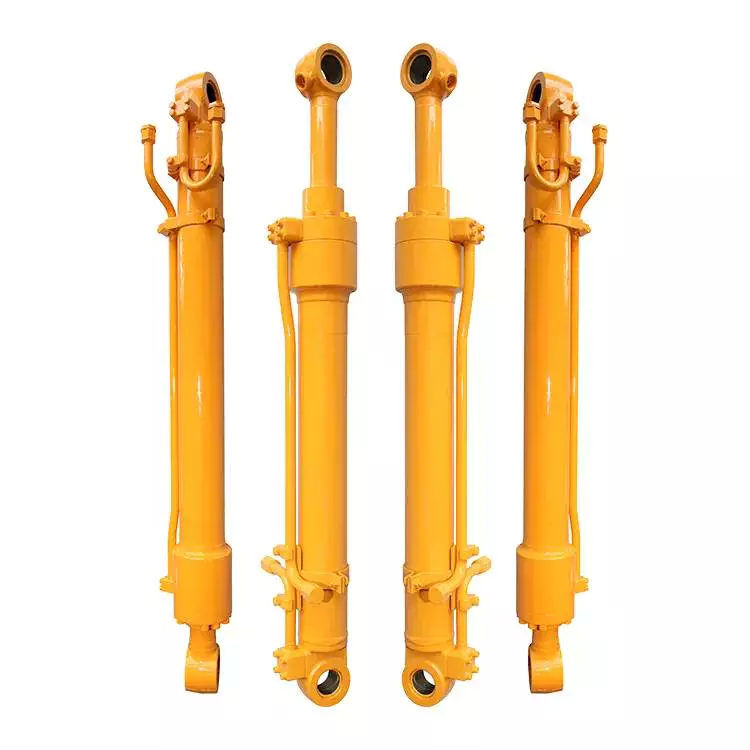
What maintenance practices are essential for extending the lifespan of hydraulic cylinders?
Maintaining hydraulic cylinders is crucial for extending their lifespan and ensuring optimal performance. Regular maintenance helps prevent premature wear, damage, and failure, ultimately reducing downtime and saving costs. Here are some essential maintenance practices to consider for extending the lifespan of hydraulic cylinders:
1. Regular Inspections:
– Conduct routine visual inspections of hydraulic cylinders to identify any signs of damage, leaks, or wear. Inspect the cylinder body, piston rod, seals, and mounting points. Look for fluid leaks, rust, dents, or any abnormal wear patterns. Early detection of issues allows for timely repairs or replacements, preventing further damage and extending the lifespan of the cylinder.
2. Cleanliness:
– Maintain a clean environment around hydraulic cylinders to prevent contaminants from entering the system. Dust, dirt, and debris can damage seals and other internal components, leading to accelerated wear and reduced performance. Regularly clean the cylinder and its surroundings to minimize the risk of contamination.
3. Proper Lubrication:
– Adequate lubrication is critical for the smooth operation and longevity of hydraulic cylinders. Follow the manufacturer’s recommendations for lubrication intervals and use the appropriate lubricant. Apply lubrication to the cylinder’s moving parts, such as the piston rod, to reduce friction and minimize wear.
4. Seal Maintenance:
– Seals play a vital role in preventing hydraulic fluid leaks and maintaining the cylinder’s performance. Inspect and replace worn or damaged seals promptly. Ensure that seals are properly installed and lubricated. Regularly clean the seal grooves to remove any debris that could compromise seal effectiveness.
5. Pressure Checks:
– Periodically check the hydraulic system’s pressure to ensure it is within the recommended operating range. Excessive pressure can strain the cylinder and its components, leading to premature wear. Monitor pressure levels and make adjustments as necessary to prevent overloading the cylinder.
6. Control Valve Maintenance:
– Maintain and inspect control valves that regulate the flow and direction of hydraulic fluid. Ensure that the valves are functioning correctly and not causing excessive stress or pressure spikes in the cylinder. Clean or replace control valves if they are damaged or malfunctioning.
7. Cylinder Alignment:
– Proper alignment of hydraulic cylinders is essential for their longevity. Misalignment can cause excessive side loads, leading to uneven wear and potential damage. Ensure that the cylinder is correctly aligned with other components and that the mounting points are secure.
8. Preventing Overloading:
– Avoid subjecting hydraulic cylinders to loads exceeding their rated capacity. Overloading can cause internal damage, seal failure, and reduced lifespan. Ensure that the load requirements are within the cylinder’s capabilities and consider using safety devices like overload protection systems when necessary.
9. Training and Operator Awareness:
– Provide proper training to equipment operators on the correct use and handling of hydraulic cylinders. Operators should be aware of the cylinder’s limitations, safe operating procedures, and the importance of regular maintenance. Promote a culture of proactive maintenance and encourage operators to report any potential issues promptly.
10. Documentation and Record-Keeping:
– Maintain detailed documentation of all maintenance activities, including inspections, repairs, and replacements. Keep records of lubrication schedules, pressure checks, and any maintenance performed on the hydraulic cylinders. This documentation helps track the cylinder’s history, identify recurring issues, and plan future maintenance effectively.
By following these maintenance practices, hydraulic cylinder lifespan can be extended, ensuring reliable performance and reducing the risk of unexpected failures. Regular inspections, cleanliness, proper lubrication, seal maintenance, pressure checks, control valve maintenance, cylinder alignment, preventing overloading, operator training, and documentation contribute to the overall longevity and optimal functioning of hydraulic cylinders.


editor by CX 2023-09-21