
Product Description
Company Profile
ZheJiang CHINAMFG Hydraulic Co., Ltd. (Stock Code: 83 0571 ), founded in June 2004, is a domestic medium and high pressure hydraulic cylinder supplier integrating R&D, production, sales and service. Its main products include 3 series of hydraulic cylinders for dump trucks, hydraulic cylinders for mechanical equipment and hydropneumatic springs.
The company’s management team and main technical personnel are stable. We has constantly innovated from the actual needs of customers, has gradually positioned the medium and high-end market, and has provided high-quality products for customers in automobile, coal mine, petroleum, engineering machinery and other industries with high-quality service.
Product Description and Specification
This product is a North American-style front-end telescopic cylinder. It has received high acclaim from customers.
Our product advantage lies in:
1.The North American advanced processing technology is adopted to ensure the stable performance.
2.High quality alloy seamless steel pipe are adopted to keep big lifting capacity and light weight.
3.The application of imperial size makes it easy to replace the seals and other accessories.
4.Superior chrome-plating technology improves the corrosion resistance and hardness of cylinders.
5.The world famous brands of seals such as HALLITE, CHINAMFG and NOK ensure the sealing performance.
To better ensure the safety of your goods, professional, environmentally friendly, convenient and efficient packaging services will be provided.
| Model | The first stage rod diameter | Stroke | Closed length | Open length |
| WTPK 3TG F5*72 | 5″ | 1829mm | 945mm | 2773mm |
| WTPK 3TG F5*84 | 5″ | 2134mm | 1046mm | 3180mm |
| WTPK 3TG F5*107 | 5″ | 2732mm | 1229mm | 3961mm |
| WTPK 3TG F5*126 | 5″ | 3216mm | 1386mm | 4602mm |
| WTPK 3TG F6*86 | 6″ | 3216mm | 1038mm | 3241mm |
| WTPK 3TG F6*104 | 6″ | 2640mm | 1194mm | 3834mm |
| WTPK 3TG F6*107 | 6″ | 2732mm | 1289mm | 3961mm |
| WTPK 3TG F6*111 | 6″ | 2819mm | 1268mm | 4087mm |
| WTPK 3TG F6*120 | 6″ | 3048mm | 1359mm | 4407mm |
| WTPK 3TG F6*126 | 6″ | 3208mm | 1386mm | 4594mm |
| WTPK 3TG F6*140 | 6″ | 3562mm | 1519mm | 5081mm |
| WTPK 4TG F6*135 | 6″ | 3429mm | 1199mm | 4628mm |
| WTPK 4TG F6*156 | 6″ | 3962mm | 1362mm | 5324mm |
| WTPK 3TG F7*110 | 7″ | 2810mm | 1271mm | 4081mm |
| WTPK 3TG F7*120 | 7″ | 3048mm | 1349mm | 4397mm |
| WTPK 3TG F7*124 | 7″ | 3172mm | 1392mm | 4564mm |
| WTPK 3TG F7*129 | 7″ | 3277mm | 1435mm | 4712mm |
| WTPK 3TG F7*140 | 7″ | 3567mm | 1524mm | 5091mm |
| WTPK 3TG F7*150 | 7″ | 3810mm | 1613mm | 5423mm |
| WTPK 4TG F7*120 | 7″ | 3048mm | 1349mm | 4168mm |
| WTPK 4TG F7*135 | 7″ | 3429mm | 1230mm | 4659mm |
| WTPK 4TG F7*140 | 7″ | 3556mm | 1263mm | 4819mm |
| WTPK 4TG F7*156 | 7″ | 3962mm | 1365mm | 5327mm |
| WTPK 4TG F7*161 | 7″ | 4108mm | 1405mm | 5513mm |
| WTPK 4TG F7*167 | 7″ | 4242mm | 1432mm | 5674mm |
| WTPK 4TG F7*180 | 7″ | 4572mm | 1552mm | 6124mm |
| WTPK 4TG F8*148 | 8″ | 3753mm | 1308mm | 5061mm |
| WTPK 4TG F8*156 | 8″ | 3962mm | 1365mm | 5327mm |
| WTPK 4TG F8*161 | 8″ | 4064mm | 1416mm | 5480mm |
| WTPK 4TG F8*170 | 8″ | 4318mm | 1454mm | 5481mm |
| WTPK 4TG F8*180 | 8″ | 4572mm | 1518mm | 6090mm |
| WTPK 5TG F8*170 | 8″ | 4318mm | 1267mm | 5585mm |
| WTPK 5TG F8*190 | 8″ | 4800mm | 1387mm | 6188mm |
| WTPK 5TG F8*220 | 8″ | 5588mm | 1524mm | 7122mm |
| WTPK 5TG F8*235 | 8″ | 5944mm | 1641mm | 7585mm |
| WTPK 5TG F8*250 | 8″ | 6325mm | 1743mm | 8068mm |
| WTPK 5TG F9*265 | 9″ | 6731mm | 1844mm | 8575mm |
| WTPK 5TG F9*280 | 9″ | 7112mm | 1997mm | 9109mm |
| WTPK 5TG F9*300 | 9″ | 7620mm | 2007mm | 9627mm |
| WTPK 5TG F9*320 | 9″ | 8129mm | 2108mm | 9628mm |
| WTPK 5TG F9*340 | 9″ | 8636mm | 2210mm | 10846mm |
Quality Guarantee System
1. Trial Operation Test
2. Start-up Pressure Test
3. Pressure-Tight Test
4. Leak Test
5. Full Stroke Test
6. Buffer Test
7. Testing the Effect of Limit
8. Load Efficiency Test
9. Reliability Test
Every piece of hydraulic cylinder are tested and will send out only after they are pasted the each test. Our company has abundant technical force and perfect testing means. By making wide technical and business cooperation with many related enterprises, universities, colleges and institutes both at home and abroad, and employing senior engineers and software engineers, we have greatly strengthened and improved our designing, processing, and testing abilities.
Machining Equipment
Our company have 700 sets manufacturing equipment, such as cold drawing production line, heat treatment production line, surface treatment production line, testing equipment, various digital-control machining equipment, gantry style linear electroplating production line.
Certificate And Our Customers
Domestic Marketing Locations
The company’s products are widely sold in ZheJiang , ZheJiang , ZheJiang , ZheJiang , ZheJiang , ZheJiang , ZheJiang , ZheJiang , ZheJiang and other more than 20 provinces, municipalities and autonomous regions.
Foreign Marketing Locations
Our products are exported to the United States, Canada, Mexico, Russia, South Africa, Indonesia and other Europe, America, South America, Southeast Asia.
After Service
1.Pre-sale service: Keep communicating with the truck manufacturers , including selection of product model , design of hydraulic system, test of performance and analysis of the accident. Once the problems occur, we will solve them immediately together with truck manufacturers.
2.The sale service: Provide training and technical support for users.
3.After-sale service: Solve the problem firstly, then analyse responsibility ; Replace the system components immediately if any need.
4.24 hours telephone service hotline.
FAQ
Q1:What’s the brand name of your products ?
A:Generally, we use our own brand “WTJX”, OEM is also available as required.
Q2:Hydraulic cylinder internal leakage?
A: There are 3 main reasons causing internal leakage : Overload, polishing is not well controlled, bad seal kits. As is known to all, vehicles in China are often overload,our products all designed to bear the overload power. We have numerical control machine to assure the polish processing. And we use the imported seals to meet customers’ demands.
Q3:Does your piston rod get ruptured easily?
A: Hard chrome plating quenched and tempered 45# steel for piston rod to assure sufficient hardness and toughness.
Q4:What about the quality feedback of your products?
A: Guarantee the quality from the raw material. We have cold drawing production line and nickel-chrome electroplating production line, so we can produce cold-drawing pipe and hard-chrome pipe used for hydraulic cylinder!
/* October 22, 2571 15:47:17 */(()=>{function d(e,r){var a,o={};try{e&&e.split(“,”).forEach(function(e,t){e&&(a=e.match(/(.*?):(.*)$/))&&1
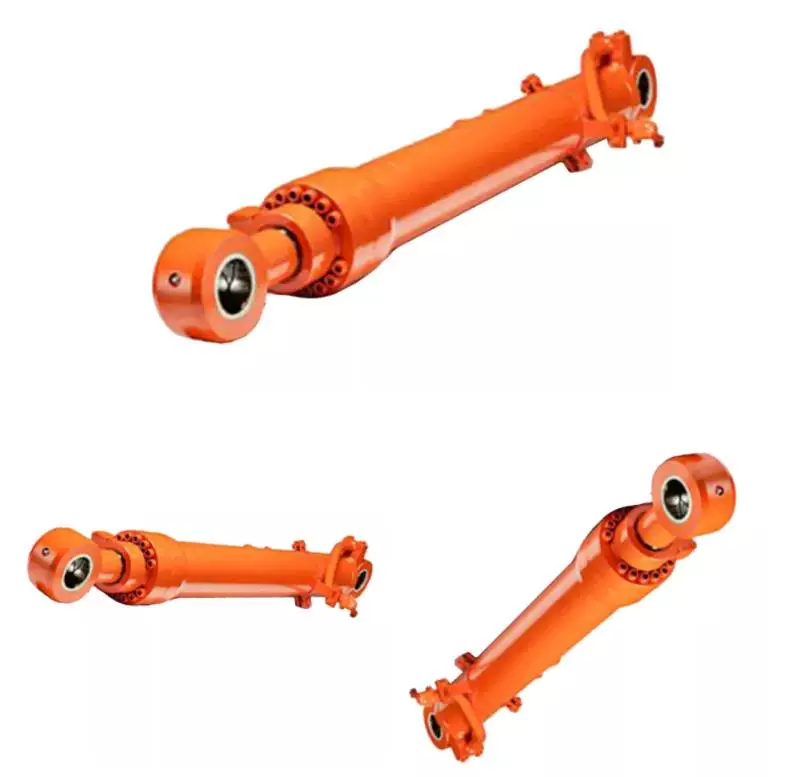
How do hydraulic cylinders enhance the performance of construction and mining equipment?
Hydraulic cylinders play a vital role in enhancing the performance of construction and mining equipment by providing powerful and precise linear motion. These industries require heavy-duty machinery that can withstand demanding conditions and efficiently perform tasks such as lifting, pushing, and digging. Here’s a detailed explanation of how hydraulic cylinders enhance the performance of construction and mining equipment:
1. Power and Force:
– Hydraulic cylinders are capable of generating substantial force, allowing construction and mining equipment to handle heavy loads and perform challenging tasks. The hydraulic system applies pressure to the fluid, which is transmitted to the hydraulic cylinder, resulting in the movement of the piston rod. The larger the diameter of the cylinder, the greater the force that can be generated. Hydraulic cylinders enable the equipment to exert significant force, making it possible to lift and move heavy materials, excavate soil and rock, and perform other demanding operations.
2. Precise Control:
– Hydraulic cylinders offer precise control over the movement of construction and mining equipment. By regulating the flow of hydraulic fluid into and out of the cylinder through control valves, operators can precisely control the speed, position, and force exerted by the hydraulic cylinder. This level of control allows for accurate and controlled movements, enabling operators to perform tasks with precision and efficiency. Whether it’s lifting a specific load, positioning an attachment, or maneuvering in tight spaces, hydraulic cylinders provide the necessary control for optimal equipment performance.
3. Adaptability:
– Hydraulic cylinders are highly adaptable to various construction and mining equipment. They can be designed and manufactured in different sizes, stroke lengths, and configurations to suit specific requirements. Hydraulic cylinders can be integrated into different types of equipment, such as excavators, loaders, bulldozers, and drilling rigs. Their adaptability allows for the customization of equipment to meet the needs of different applications and operating conditions, enhancing overall performance.
4. Durability and Reliability:
– Construction and mining environments are known for their harsh conditions, including extreme temperatures, vibrations, and exposure to dust, dirt, and debris. Hydraulic cylinders are designed to withstand these challenging conditions and provide long-lasting performance. They are constructed using robust materials, such as high-strength steel, and equipped with seals and components that can endure heavy loads, impacts, and contaminants. The durability and reliability of hydraulic cylinders ensure that construction and mining equipment can operate continuously and withstand the demanding nature of these industries.
5. Safety:
– Hydraulic cylinders contribute to the safety of construction and mining equipment operations. Their precise control allows operators to perform tasks with accuracy, minimizing the risk of accidents and damage to the equipment or surrounding structures. Hydraulic cylinders also enable the implementation of safety features, such as overload protection systems and emergency stop mechanisms, ensuring the safe operation of the equipment. The reliable and controlled movements provided by hydraulic cylinders enhance overall safety in construction and mining operations.
6. Increased Productivity:
– By providing the necessary power, precise control, and adaptability, hydraulic cylinders contribute to increased productivity in construction and mining applications. Construction and mining equipment equipped with hydraulic cylinders can perform tasks more efficiently and effectively, reducing the time and effort required to complete projects. The ability to handle heavy loads, control movements precisely, and adapt to various tasks improves the overall productivity of the equipment, leading to cost savings and improved project timelines.
In summary, hydraulic cylinders enhance the performance of construction and mining equipment by providing power, precise control, adaptability, durability, and safety. They enable these machines to handle heavy loads, perform tasks with accuracy, withstand harsh conditions, and increase productivity. Hydraulic cylinders are integral components that contribute to the efficiency and effectiveness of construction and mining operations.
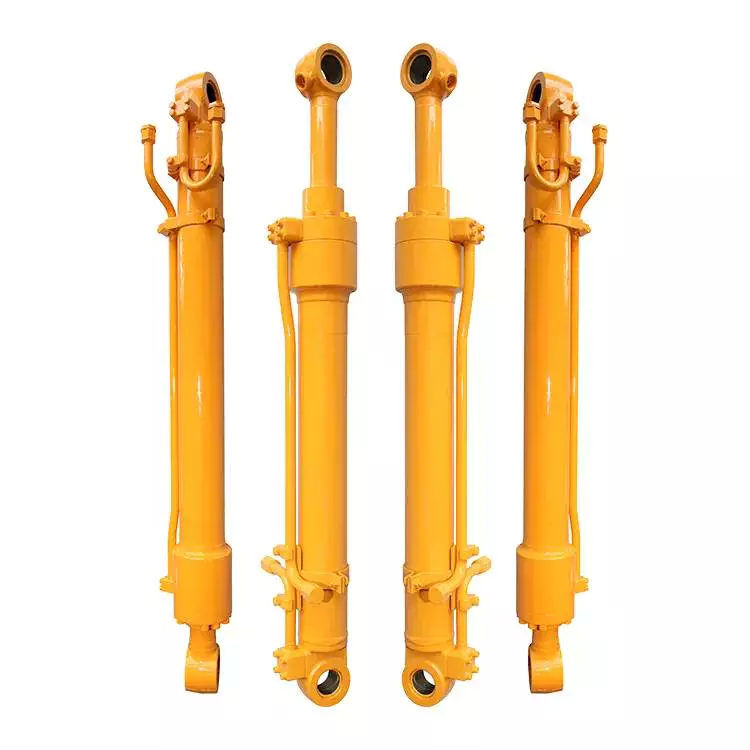
Utilizing Hydraulic Cylinders in Conjunction with Alternative Energy Sources
Hydraulic cylinders can indeed be used in conjunction with alternative energy sources. The versatile nature of hydraulic systems allows them to be integrated with various alternative energy technologies to enhance efficiency, control, and power generation. Let’s explore some examples of how hydraulic cylinders can be utilized alongside alternative energy sources:
- Hydraulic Energy Storage: Hydraulic cylinders can be employed in energy storage systems that utilize alternative energy sources such as renewable sources (e.g., solar or wind) or waste energy recovery. These systems convert excess energy into hydraulic potential energy by pumping fluid into a high-pressure accumulator. When the energy is needed, the pressurized fluid is released, driving the hydraulic cylinder and generating mechanical power.
- Wave and Tidal Energy Conversion: Hydraulic cylinders can be utilized in wave and tidal energy conversion systems. These systems harness the power of ocean waves or tidal currents and convert it into usable energy. Hydraulic cylinders, along with associated pumps and valves, can be used to capture and control the energy from the waves or tides, driving the cylinders and generating mechanical power or producing electricity.
- Hydroelectric Power Generation: Hydraulic cylinders play a crucial role in traditional hydroelectric power generation. However, alternative approaches such as small-scale or micro-hydropower systems can also benefit from hydraulic cylinders. These systems utilize natural or man-made water flows to drive turbines connected to hydraulic cylinders, which then convert the hydraulic energy into mechanical power or electricity.
- Hydraulic Actuation in Wind Turbines: Hydraulic cylinders can be employed in wind turbines to enhance performance and control. For example, hydraulic pitch control systems use hydraulic cylinders to adjust the pitch angle of wind turbine blades, optimizing their aerodynamic performance based on wind conditions. This allows for efficient power generation and protection against excessive wind loads.
- Geothermal Energy Extraction: Geothermal energy extraction involves utilizing the natural heat from the Earth’s interior to generate power. Hydraulic cylinders can be utilized in geothermal systems to control and regulate fluid flow, allowing for efficient extraction and utilization of geothermal energy. They can also be used in geothermal heat pumps for heating and cooling applications.
In summary, hydraulic cylinders can be effectively utilized in conjunction with alternative energy sources to enhance energy storage, power generation, and control. Whether it’s through hydraulic energy storage systems, wave and tidal energy conversion, hydroelectric power generation, hydraulic actuation in wind turbines, or geothermal energy extraction, hydraulic cylinders offer versatile and efficient solutions for harnessing and utilizing alternative energy sources.
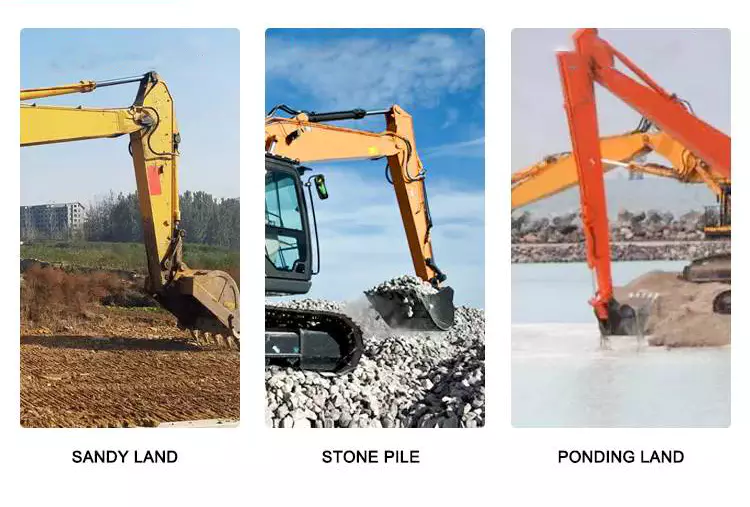
How do hydraulic cylinders generate force and motion using hydraulic fluid?
Hydraulic cylinders generate force and motion by utilizing the principles of fluid mechanics, specifically Pascal’s law, in conjunction with the properties of hydraulic fluid. The process involves the conversion of hydraulic energy into mechanical force and linear motion. Here’s a detailed explanation of how hydraulic cylinders achieve this:
1. Pascal’s Law:
– Hydraulic cylinders operate based on Pascal’s law, which states that when pressure is applied to a fluid in a confined space, it is transmitted equally in all directions. In the context of hydraulic cylinders, this means that when hydraulic fluid is pressurized, the force is evenly distributed throughout the fluid and transmitted to all surfaces in contact with the fluid.
2. Hydraulic Fluid and Pressure:
– Hydraulic systems use a specialized fluid, typically hydraulic oil, as the working medium. This fluid is stored in a reservoir and circulated through the system by a hydraulic pump. The pump pressurizes the fluid, creating hydraulic pressure that can be controlled and directed to various components, including hydraulic cylinders.
3. Cylinder Design and Components:
– Hydraulic cylinders consist of several key components, including a cylindrical barrel, a piston, a piston rod, and various seals. The barrel is a hollow tube that houses the piston and allows for fluid flow. The piston divides the cylinder into two chambers: the rod side and the cap side. The piston rod extends from the piston and provides a connection point for external loads. Seals are used to prevent fluid leakage and maintain hydraulic pressure within the cylinder.
4. Fluid Input and Motion:
– To generate force and motion, hydraulic fluid is directed into one side of the cylinder, creating pressure on the corresponding surface of the piston. This pressure is transmitted through the fluid to the other side of the piston.
5. Force Generation:
– The force generated by a hydraulic cylinder is a result of the pressure applied to a specific surface area of the piston. The force exerted by the hydraulic cylinder can be calculated using the formula: Force = Pressure × Area. The area is determined by the diameter of the piston or the piston rod, depending on which side of the cylinder the fluid is acting upon.
6. Linear Motion:
– As the pressurized hydraulic fluid acts on the piston, it generates a force that moves the piston in a linear direction within the cylinder. This linear motion is transferred to the piston rod, which extends or retracts accordingly. The piston rod can be connected to external components or machinery, allowing the generated force to perform various tasks, such as lifting, pushing, pulling, or controlling mechanisms.
7. Control and Regulation:
– The force and motion generated by hydraulic cylinders can be controlled and regulated by adjusting the flow of hydraulic fluid into the cylinder. By regulating the flow rate, pressure, and direction of the fluid, the speed, force, and direction of the cylinder’s movement can be precisely controlled. This control allows for accurate positioning, smooth operation, and synchronization of multiple cylinders in complex machinery.
8. Return and Recirculation of Fluid:
– After the hydraulic cylinder completes its stroke, the hydraulic fluid on the opposite side of the piston needs to be returned to the reservoir. This is typically achieved through hydraulic valves that control the flow direction, allowing the fluid to return and be recirculated in the system for further use.
In summary, hydraulic cylinders generate force and motion by utilizing the principles of Pascal’s law. Pressurized hydraulic fluid acts on the piston, creating force that moves the piston in a linear direction. This linear motion is transferred to the piston rod, allowing the generated force to perform various tasks. By controlling the flow of hydraulic fluid, the force and motion of hydraulic cylinders can be precisely regulated, contributing to their versatility and wide range of applications in machinery.


editor by Dream 2024-12-11