
Product Description
Product Description
2BE1 series water ring vacuum pump is a high-efficiency and energy-saving product researched and developed by our company in combination with the advanced technology of imported products. This series of vacuum pump is a single machine single action structure, which has the advantages of simple structure, convenient maintenance, reliable operation, high efficiency and energy saving. It is usually used to suck air or other gases that are insoluble in water, free of CZPT particles and corrosive, so as to form a certain vacuum in a closed container. Equipped with explosion-proof motor, which can suck flammable and explosive gases. The pump body is made of corrosion-resistant materials or special materials after corrosion-resistant treatment, which can pump corrosive gases to a certain extent.
2BE1 series water ring vacuum pumps are widely used in petrochemical, light industry, chemical industry, pharmaceutical, papermaking, metallurgy, building materials, electrical appliances, food, coal washing, mineral processing, chemical fertilizer and other industries
Our Advantages
1. The impeller is made of nodular cast iron or steel plate welding, and the pump body is made of steel plate, which fully ensures the stability of the impeller and the whole machine under various harsh conditions, and greatly improves the service life of 2BE1 vacuum pump.
2. The shaft sleeve is made of high chromium stainless steel, which increases the service life of the vacuum pump by 5 times compared with the ordinary material.
3. The belt pulley (belt drive) adopts standard high-precision taper sleeve belt pulley, which has reliable operation, convenient disassembly and longer service life of the belt.
4. The coupling (direct drive) adopts standard high-strength elastic coupling, and the elastic elements are made of polyurethane, which can operate stably and reliably and prolong the service life of the equipment.
5. The bearings are imported bearings and the best bearings in China, which ensure the precise positioning of the impeller of 2BE1 vacuum pump and high stability during operation, low vibration and low noise, and ensure the long-term stable operation of the vacuum pump.
6. Mechanical seals (optional parts) are the best imported and domestic products, which fully ensure that the vacuum pump has no leakage during long-term operation and provide the best guarantee for the stable operation of the vacuum pump.
7. Linear cavity design ensures the best pumping effect.
8. The unique top mounted gas-water separator saves space, makes installation more convenient, and effectively reduces noise.
Product Parameters
| Type | Revolution ( transmission way) r/min |
Maximum shaft power kW |
motor power kW |
Ultimate vacuum kPa |
Maximum air valume m3/h |
Pump head weight Kg |
| 2BE1 102 | 1450 (direct connection) | 6.0 | 7.5 | 3.3 | 246 | 110 |
| 1750 (belt) | 8.0 | 11 | 290 | |||
| 2BE1 103 | 1450 (direct connection) | 8.2 | 11 | 3.3 | 340 | 125 |
| 1750 (belt) | 11.1 | 15 | 412 | |||
| 2BE1 152 | 1450 (direct connection) | 12.5 | 15 | 3.3 | 450 | 175 |
| 1625 (belt) | 15.0 | 18.5 | 510 | |||
| 1750 (belt) | 17.2 | 22 | 535 | |||
| 2BE1 153 | 1450 (direct connection) | 16.3 | 18.5 | 3.3 | 600 | 200 |
| 1100 (belt) | 10.6 | 15 | 445 | |||
| 1300 (belt) | 13.4 | 18.5 | 535 | |||
| 1620 (belt) | 19.6 | 22 | 648 | |||
| 1750 (belt) | 22.3 | 30 | 700 | |||
| 2BE1 202 | 980 (direct connection) | 18.2 | 22 | 3.3 | 750 | 460 |
| 790 (belt) | 13.4 | 18.5 | 590 | |||
| 880 (belt) | 16.3 | 18.5 | 670 | |||
| 1100 (belt) | 23.8 | 30 | 860 | |||
| 1170 (belt) | 25.7 | 30 | 888 | |||
| 1300 (belt) | 30 | 37 | 950 | |||
| 2BE1 203 | 980 (direct connection) | 29.5 | 37 | 3.3 | 1080 | 530 |
| 790 (belt) | 21.2 | 30 | 870 | |||
| 880 (belt) | 24.8 | 30 | 980 | |||
| 1100 (belt) | 34 | 45 | 1210 | |||
| 1170 (belt) | 38 | 45 | 1320 | |||
| 1300 (belt) | 42 | 55 | 1390 | |||
| 2BE1 252 | 740 (direct connection) | 38 | 45 | 3.3 | 1700 | 870 |
| 590 (belt) | 24 | 30 | 1200 | |||
| 660 (belt) | 31.8 | 37 | 1500 | |||
| 830 (belt) | 45 | 55 | 1770 | |||
| 885 (belt) | 54 | 75 | 2000 | |||
| 938 (belt) | 60 | 75 | 2100 | |||
| 2BE1 253 | 740 (direct connection) | 54 | 75 | 3.3 | 2450 | 930 |
| 565 (belt) | 37.2 | 45 | 1690 | |||
| 660 (belt) | 45 | 55 | 2100 | |||
| 740 (belt) | 52.8 | 75 | 2340 | |||
| 792 (belt) | 60 | 75 | 2560 | |||
| 820 (belt) | 68 | 75 | 2640 | |||
| 880 (belt) | 75.1 | 90 | 2780 | |||
| 940 (belt) | 88 | 110 | 3050 | |||
| 2BE1 303 | 740 (direct connection) | 98 | 110 | 3.3 | 4000 | 1700 |
| 590 (direct connection) | 65.5 | 75 | 3200 | |||
| 466 (belt) | 48 | 55 | 2520 | |||
| 530 (belt) | 58 | 75 | 2820 | |||
| 583 (belt) | 64 | 75 | 3100 | |||
| 660 (belt) | 79.8 | 90 | 3550 | |||
| 740 (belt) | 96 | 110 | 3840 | |||
| 2BE1 305 | 740 (direct connection) | 108 | 132 | 3.3 | 4520 | 1820 |
| 590 (direct connection) | 70 | 90 | 3750 | |||
| 490 (belt) | 55 | 75 | 3150 | |||
| 530 (belt) | 61 | 75 | 3380 | |||
| 583 (belt) | 68 | 90 | 3700 | |||
| 660 (belt) | 90 | 110 | 4090 | |||
| 740 (belt) | 110 | 132 | 4550 | |||
| 2BE1 353 | 590 (direct connection) | 121 | 160 | 3.3 | 5300 | 1950 |
| 390 (belt) | 63 | 75 | 3580 | |||
| 425 (belt) | 71 | 90 | 3700 | |||
| 460 (belt) | 78 | 90 | 4100 | |||
| 520 (belt) | 93 | 110 | 4620 | |||
| 585 (belt) | 113 | 132 | 5200 | |||
| 620 (belt) | 133 | 160 | 5500 | |||
| 660 (belt) | 152 | 185 | 5850 | |||
| 2BE1 355 | 590 (direct connection) | 136 | 160 | 3.3 | 5700 | 2200 |
| 390 (belt) | 75 | 90 | 4180 | |||
| 430 (belt) | 86 | 110 | 4260 | |||
| 464 (belt) | 90 | 110 | 4850 | |||
| 523 (belt) | 113 | 132 | 5230 | |||
| 590 (belt) | 136 | 160 | 6000 | |||
| 660 (belt) | 167 | 185 | 6510 | |||
| 2BE1 403 | 330 (belt) | 98 | 132 | 3.3 | 4860 | 3750 |
| 372 (belt) | 110 | 132 | 5400 | |||
| 420 (belt) | 131 | 160 | 6470 | |||
| 472 (belt) | 160 | 200 | 7380 | |||
| 530 (belt) | 213 | 250 | 8100 | |||
| 2BE1 405 | 330 (belt) | 100 | 132 | 3.3 | 6000 | 3900 |
| 372 (belt) | 118 | 160 | 6700 | |||
| 420 (belt) | 140 | 185 | 7500 | |||
| 472 (belt) | 170 | 200 | 8350 | |||
| 530 (belt) | 216 | 250 | 9450 | |||
Detailed Photos
General Manager Speech
Deeply cultivate the vacuum technology, and research,develop and manufacture the vacuum equipment to provide the best solution in the vacuum field and make the vacuum application easier.
Company Profile
ZheJiang Kaien Vacuum Technology Co., Ltd. is a high-tech enterprise integrating R & D, production and operation of vacuum equipment. The company has strong technical force, excellent equipment and considerate after-sales service. The product manufacturing process is managed in strict accordance with IS09001 quality system. It mainly produces and sells screw vacuum pump, roots pump, claw vacuum pump, runoff vacuum pump, scroll pump, water ring vacuum pump, vacuum unit and other vacuum systems.
New plant plHangZhou
The company’s products have been for a number of food, medicine, refrigeration, drying plants and a number of transformer related equipment manufacturers for vacuum equipment. The products are widely used in vacuum drying and dehydration, kerosene vapor phase drying, vacuum impregnation, vacuum metallurgy, vacuum coating, vacuum evaporation, vacuum concentration, oil and gas recovery, etc.
High precision machining equipment
The company cooperates with many scientific research institutions and universities, such as ZheJiang University, China University of petroleum, ZheJiang Institute of mechanical design, etc.with colleges and universities to research and develop core technologies, and owns dozens of independent intellectual property patents.Our technology is leading, the product quality is stable, the product has a good reputation in China’s domestic market, is sold all over the country, and is exported to Europe, America, Africa, the Middle East and Southeast Asia,We adhering to the basic tenet of quality, reputation and service, the company takes leading-edge technology of vacuum pump as its own responsibility, and wholeheartedly serves customers of vacuum equipment application in various industries with rigorous working attitude and professional working style.
Product quality wins consumer cooperation
In shipment
ISO 9001
High tech enterprise certificate
Welcome to send your needs, we will provide you with the best service,
provide the greatest help!!!
| Warranty: | One Year |
|---|---|
| Oil or Not: | Oil Free |
| Structure: | Liquid |
| Exhauster Method: | Entrapment Vacuum Pump |
| Vacuum Degree: | High Vacuum |
| Work Function: | Mainsuction Pump |
| Customization: |
Available
|
|
|---|
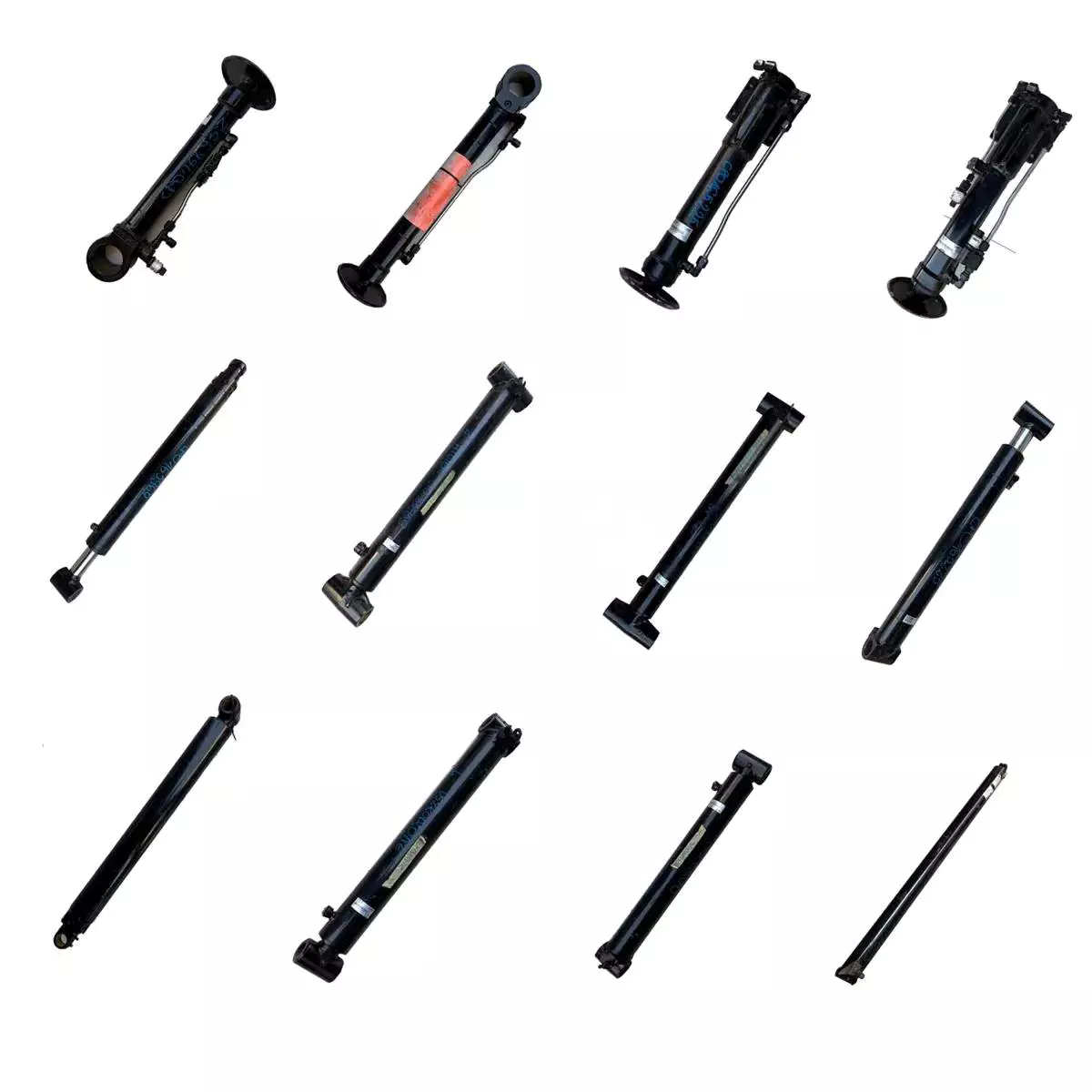
How do hydraulic cylinders handle the challenges of precise positioning and control?
Hydraulic cylinders are designed to handle the challenges of precise positioning and control with a combination of engineering principles and advanced control systems. These challenges often arise in applications where accurate and controlled movements are required, such as in industrial automation, construction, and material handling. Here’s a detailed explanation of how hydraulic cylinders overcome these challenges:
1. Fluid Power Control:
– Hydraulic cylinders utilize fluid power control to achieve precise positioning and control. The hydraulic system consists of a hydraulic pump, control valves, and hydraulic fluid. By regulating the flow of hydraulic fluid into and out of the cylinder, operators can control the speed, direction, and force exerted by the cylinder. The fluid power control allows for smooth and accurate movements, enabling precise positioning of the hydraulic cylinder and the attached load.
2. Control Valves:
– Control valves play a crucial role in handling the challenges of precise positioning and control. These valves are responsible for directing the flow of hydraulic fluid within the system. They can be manually operated or electronically controlled. Control valves allow operators to adjust the flow rate of the hydraulic fluid, controlling the speed of the cylinder’s movement. By modulating the flow, operators can achieve fine control over the positioning of the hydraulic cylinder, enabling precise and accurate movements.
3. Proportional Control:
– Hydraulic cylinders can be equipped with proportional control systems, which offer enhanced precision in positioning and control. Proportional control systems utilize electronic feedback and control algorithms to precisely regulate the flow and pressure of the hydraulic fluid. These systems provide accurate and proportional control over the movement of the hydraulic cylinder, allowing for precise positioning at various points along its stroke length. Proportional control enhances the cylinder’s ability to handle complex tasks that require precise movements and control.
4. Position Feedback Sensors:
– To achieve precise positioning, hydraulic cylinders often incorporate position feedback sensors. These sensors provide real-time information about the position of the cylinder’s piston rod. Common types of position feedback sensors include potentiometers, linear variable differential transformers (LVDTs), and magnetostrictive sensors. By continuously monitoring the position, the feedback sensors enable closed-loop control, allowing for accurate positioning and control of the hydraulic cylinder. The feedback information is used to adjust the flow of hydraulic fluid to achieve the desired position accurately.
5. Servo Control Systems:
– Advanced hydraulic systems employ servo control systems to handle the challenges of precise positioning and control. Servo control systems combine electronic control, position feedback sensors, and proportional control valves to achieve high levels of accuracy and responsiveness. The servo control system continuously compares the desired position with the actual position of the hydraulic cylinder and adjusts the flow of hydraulic fluid to minimize any positional error. This closed-loop control mechanism enables the hydraulic cylinder to maintain precise positioning and control, even under varying loads or external disturbances.
6. Integrated Automation:
– Hydraulic cylinders can be integrated into automated systems to achieve precise positioning and control. In such setups, the hydraulic cylinders are controlled by programmable logic controllers (PLCs) or other automation controllers. These controllers receive input signals from various sensors and use pre-programmed logic to command the hydraulic cylinder’s movements. The integration of hydraulic cylinders into automated systems allows for precise and repeatable positioning and control, enabling complex sequences of movements to be executed with high accuracy.
7. Advanced Control Algorithms:
– Advancements in control algorithms have also contributed to the precise positioning and control of hydraulic cylinders. These algorithms, such as PID (Proportional-Integral-Derivative) control, adaptive control, and model-based control, enable sophisticated control strategies to be implemented. These algorithms consider factors such as load variations, system dynamics, and environmental conditions to optimize the control of hydraulic cylinders. By employing advanced control algorithms, hydraulic cylinders can compensate for disturbances and achieve precise positioning and control over a wide range of operating conditions.
In summary, hydraulic cylinders overcome the challenges of precise positioning and control through the use of fluid power control, control valves, proportional control, position feedback sensors, servo control systems, integrated automation, and advanced control algorithms. By combining these elements, hydraulic cylinders can achieve accurate and controlled movements, enabling precise positioning and control in various applications. These capabilities are essential for industries that require high precision and repeatability in their operations, such as industrial automation, robotics, and material handling.
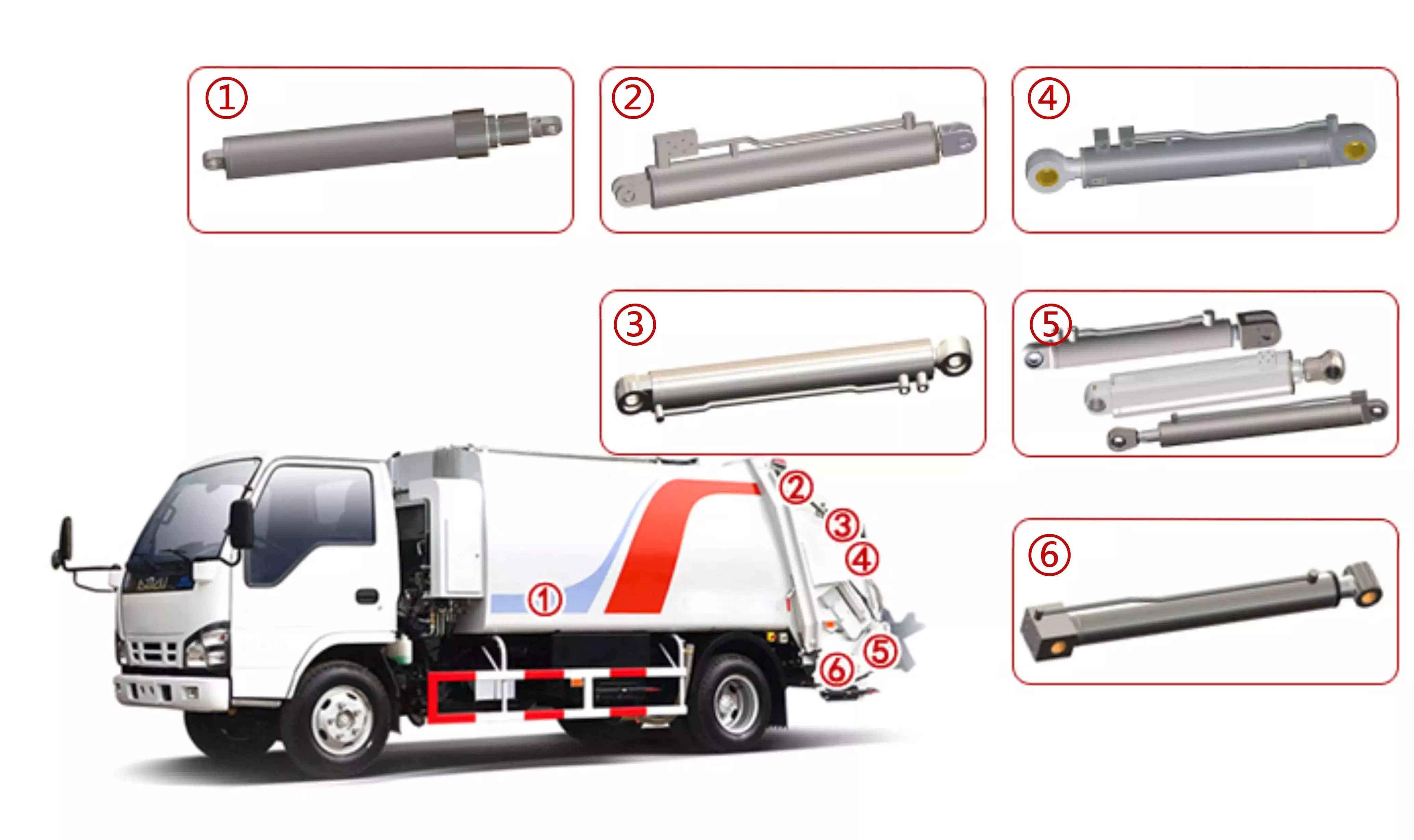
How do hydraulic cylinders contribute to the efficiency of agricultural tasks like plowing?
Hydraulic cylinders play a crucial role in improving the efficiency of agricultural tasks, including plowing. These cylinders provide several benefits that enhance the performance and productivity of agricultural machinery. Let’s explore how hydraulic cylinders contribute to the efficiency of plowing and other agricultural tasks:
- Powerful Force Generation: Hydraulic cylinders are capable of generating high forces, which is essential for tasks like plowing. The hydraulic system supplies pressurized fluid to the cylinders, converting hydraulic energy into mechanical force. This force is then utilized to drive plow blades through the soil, overcoming resistance and facilitating efficient soil penetration. The power generated by hydraulic cylinders ensures effective plowing, even in tough or compacted soil conditions.
- Adjustable Working Depth: Hydraulic cylinders allow for easy and precise adjustment of the plow’s working depth. By controlling the extension or retraction of the hydraulic cylinder, farmers can adjust the depth of the plow blades according to soil conditions, crop requirements, or their specific preferences. This adjustability enhances efficiency by ensuring optimal soil tillage and minimizing unnecessary energy expenditure. Farmers can adapt the plowing depth to different field areas, optimizing the use of resources and promoting uniform crop growth.
- Responsive Control: Hydraulic systems offer highly responsive control, enabling farmers to make quick adjustments during plowing operations. Hydraulic cylinders respond rapidly to changes in hydraulic pressure and valve settings, allowing for immediate modifications in the plow’s position, depth, or angle. This responsiveness enhances efficiency by facilitating on-the-go adjustments based on soil variations, obstacles, or changing field conditions. Farmers can maintain precise control over the plow’s performance, ensuring effective soil tillage and minimizing the risk of crop damage.
- Implement Versatility: Hydraulic cylinders enable the attachment of various implements to agricultural machinery, expanding their functionality and versatility. In the context of plowing, hydraulic cylinders allow for the attachment and detachment of plow blades or other tillage implements. This versatility enables farmers to adapt their equipment to different soil types, field sizes, or specific plowing requirements. By using hydraulic cylinders, farmers can easily switch between different implements, optimizing their equipment for specific tasks and maximizing efficiency.
- Efficient Time Management: Hydraulic cylinders contribute to time efficiency in agricultural tasks like plowing. With hydraulic systems, farmers can operate plows at higher speeds while maintaining control and precision. The responsive nature of hydraulic cylinders allows for efficient turning, maneuvering, and repositioning of plows, minimizing downtime and optimizing field coverage. This time efficiency translates into increased productivity and reduced overall operational costs. Farmers can accomplish plowing tasks more quickly, allowing them to cover larger field areas in less time.
In summary, hydraulic cylinders significantly contribute to the efficiency of agricultural tasks like plowing. Through powerful force generation, adjustable working depth, responsive control, implement versatility, and efficient time management, hydraulic systems equipped with cylinders enhance the performance and productivity of agricultural machinery. These contributions allow farmers to accomplish plowing tasks more effectively, optimize field operations, and achieve improved overall efficiency in their agricultural practices.
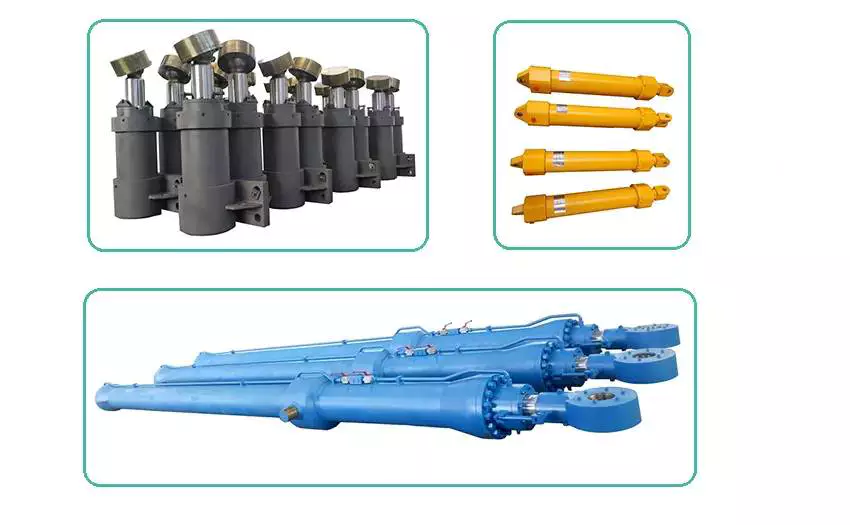
Can hydraulic cylinders be adapted for use in both industrial and mobile equipment?
Yes, hydraulic cylinders can be adapted for use in both industrial and mobile equipment. The versatility and adaptability of hydraulic systems make them suitable for a wide range of applications across various industries. Here’s a detailed explanation:
1. Industrial Equipment:
– Hydraulic cylinders are extensively used in industrial equipment such as manufacturing machinery, construction equipment, material handling systems, and heavy-duty machinery. They provide the necessary force and controlled movement for tasks such as lifting, pushing, pulling, and positioning heavy loads. Industrial hydraulic cylinders are typically designed for robustness, durability, and high load-bearing capacities to withstand the demanding environments and heavy-duty applications encountered in industries.
2. Mobile Equipment:
– Hydraulic cylinders are also widely adopted in mobile equipment, including agricultural machinery, mining equipment, forestry machinery, and transportation vehicles. These cylinders enable various functions such as tilting, lifting, steering, and stabilizing. Mobile hydraulic cylinders are designed to be compact, lightweight, and efficient to meet the specific requirements of mobile applications. They are often integrated into hydraulic systems that power multiple functions in a single machine.
3. Adaptability:
– One of the key advantages of hydraulic cylinders is their adaptability. They can be customized and configured to suit different operating conditions, equipment sizes, load capacities, and speed requirements. Hydraulic cylinder manufacturers offer a wide range of sizes, stroke lengths, mounting options, and rod configurations to accommodate diverse applications. This adaptability allows hydraulic cylinders to be utilized in both industrial and mobile equipment, serving various purposes across different sectors.
4. Mounting Options:
– Hydraulic cylinders can be adapted to different mounting arrangements to suit the specific requirements of industrial and mobile equipment. They can be mounted in various orientations, including vertical, horizontal, or at an angle. Different mounting options, such as flange mounts, trunnion mounts, and clevis mounts, provide flexibility in integrating hydraulic cylinders into different equipment designs.
5. Integration with Hydraulic Systems:
– Hydraulic cylinders are often part of a larger hydraulic system that includes components such as pumps, valves, hoses, and reservoirs. These systems can be tailored to meet the specific needs of both industrial and mobile equipment. The hydraulic system’s design and configuration can be adapted to provide the necessary flow rates, pressures, and control mechanisms required for optimal performance in the intended application.
6. Control and Automation:
– Hydraulic cylinders in both industrial and mobile equipment can be integrated with control systems and automation technologies. This allows for precise and automated control of the cylinder’s movement and function. Proportional control valves, sensors, and electronic controls can be incorporated to achieve accurate positioning, speed control, and synchronization of multiple hydraulic cylinders, enhancing overall equipment performance and productivity.
7. Safety Considerations:
– Hydraulic cylinders for both industrial and mobile equipment are designed with safety in mind. They often feature built-in safety mechanisms such as overload protection, pressure relief valves, and emergency stop systems to prevent accidents and equipment damage. Safety standards and regulations specific to each industry are taken into account during the design and adaptation of hydraulic cylinders for different applications.
Overall, hydraulic cylinders offer the adaptability and performance required for use in both industrial and mobile equipment. Their versatility, customizable features, mounting options, integration capabilities, and safety considerations make them suitable for a wide range of applications across diverse industries. Whether it’s heavy-duty industrial machinery or mobile equipment operating in challenging environments, hydraulic cylinders can be adapted to meet the specific needs and requirements of various equipment types.


editor by CX 2023-08-29