
Product Description
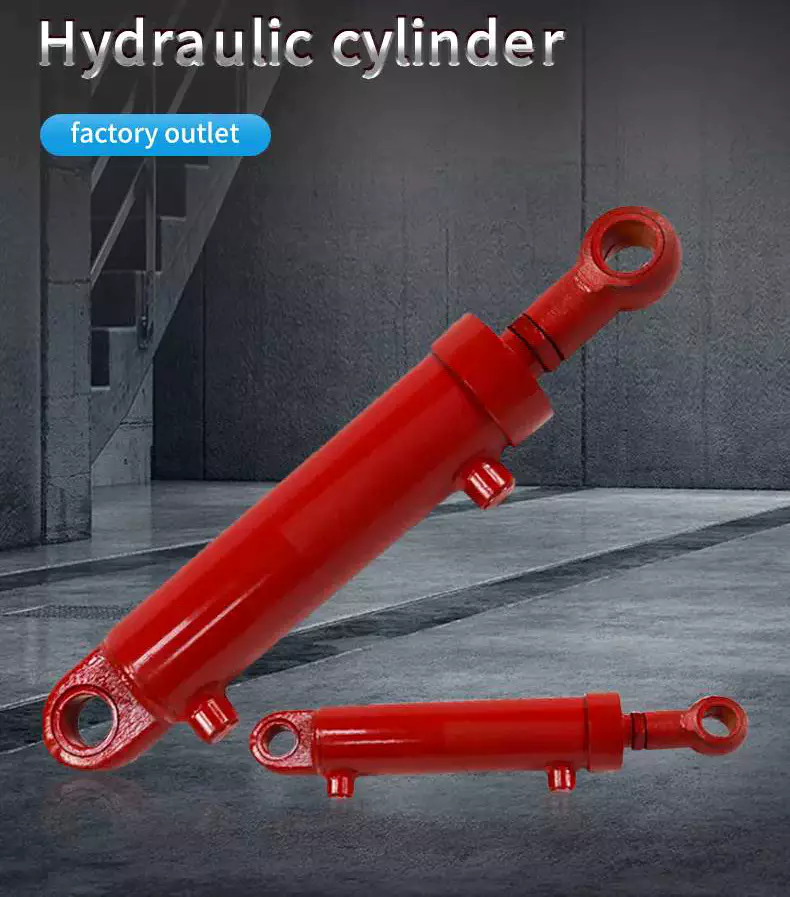
MEDIUM AND HIGH PRESSURE OIL CYLINDER FOR MICRO EXCAVATOR
Product Parameters
-
Mainly used for 1 ton ~4 ton micro excavator.
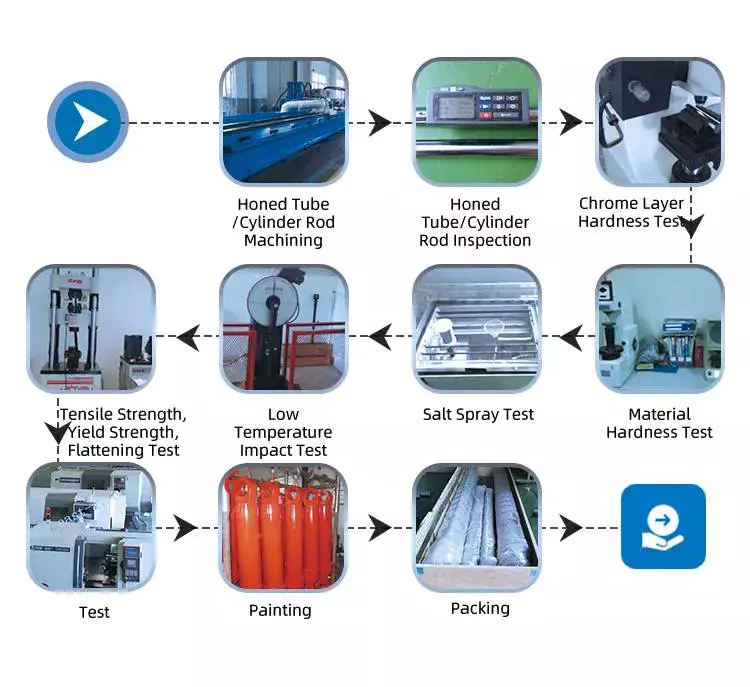
Through strength accounting for cylinder, piston rod and other parts of the material selection, as well as the corresponding welding, electroplating and other special processing technology, to achieve light weight, high strength, high durability.
The sealing system is produced and designed by our company, and the main seal uses the corresponding advantages of the international first-class sealing parts manufacturing company to meet the heavy working conditions and high strength work to ensure a long service life.
WORKING PRESSURE: 21~28MPA
OPERATING TEMPERATURE: -20ºC~100ºC
COLD REGION: -40ºC~90ºC
-
MODEL MARKING METHOD
D60 x D35 x 460ST / 770CL
-
Additional negotiation based on size excess form
-
Cylinder outer diameter DO can be changed according to actual demand
-
The high pressure oil pipe needs to be attached for further discussion
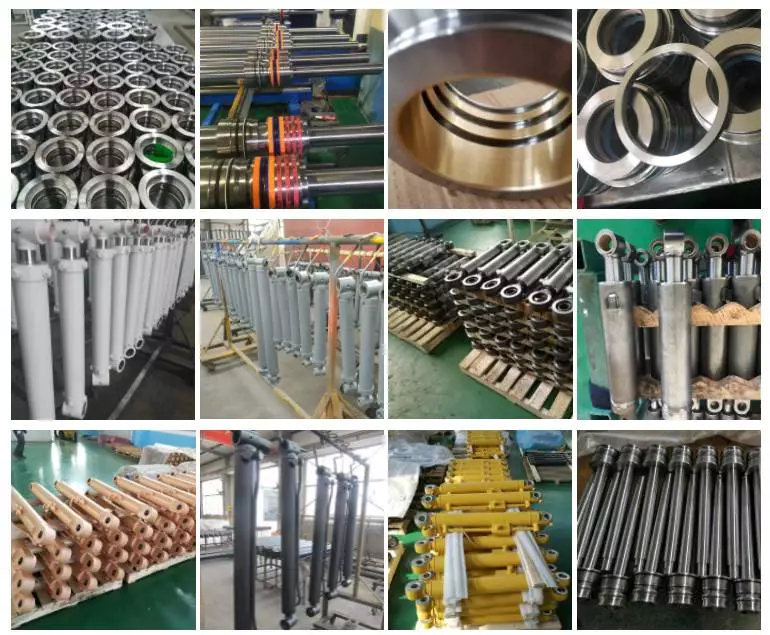
Detailed Photos
Packaging & Shipping
-
Conventional wooden case packing, packing can be customized according to your needs.
Company Profile
ZheJiang CHINAMFG Machinery Equipment Co., Ltd. is an international sales subsidiary of ZheJiang CHINAMFG Hydraulic Technology Co., Ltd. Our company is Top 1 machinery parts production factory in ZheJiang , with 24 years production experience on research and development.
Our company specializes in the production of hydraulic cylinder, electric cylinder, hydraulic valve, integrated hydraulic valve, hydraulic tubing, structural parts, cab, balance iron and other products research and development, production.
At present, the Group has 4 factories, covering a total area of 864,000 square CHINAMFG and employing more than 2,200 people.
The company has supplied to more than 50 countries and regions around the world, and its products cover construction machinery, Marine ships, new energy equipment, tunnel machinery, aerospace, industrial manufacturing and other high-end parts fields.
INDEPENDENT INNOVATION XIHU (WEST LAKE) DIS.S THE FUTURE
There are 120 full-time R&D personnel
R&d center to establish an open and efficient technical cooperation and innovation system, has a strong technology, team spirit of excellent team, the existing full-time R & D personnel 120 people, with domestic universities, research institutes to establish a long-term school-enterprise cooperation relationship, has provincial enterprise technology center engineering research center, industrial design center. Key laboratories and other scientific and technological innovation platforms have participated in the formulation of a number of national standards, undertaken more than 80 innovative research and development projects above the provincial level of the National CHINAMFG Program, and won a number of provincial and municipal scientific and technological progress awards.
Our company to “create quality experience for customers” as the mission, the company has a professional after-sales department, the existing 20 professional after-sales personnel, improve your satisfaction, to solve your technical doubts.
|
|
|
|
|
|
FAQ
1.How will you guarantee the quality?
We have a professional R & D team, and will discuss with each production minister repeatedly and determine the production plan before the order production. We also have a professional quality inspection team to ensure that the order is completed with quality and quantity.And we will test and send testing video to buyer confirm before shipping too.
2.When will you ship the order?
Once we get confirmation of payment,we will try our best to ship within 48 hours.
3.How can I track my order?
Once your order in shipped,we will e-mail you shipping details.
4.If I was not satisfied with the products,can i return goods?
Yes,we offer exchange and repair service in the warranty time.
5.What is your sample policy?
We can supply the sample if we have ready parts in stock, but the customers have to pay the sample cost and
the courier cost.
6. What is your terms of packing?
A: Generally, will pack in strong fumigate wooden pallet or Case. If you have legally registered patent, we can pack the goods in your branded boxes after getting your authorization letters.
| Certification: | CE, ISO9001 |
|---|---|
| Pressure: | High Pressure |
| Work Temperature: | High Temperature |
| Acting Way: | Double Acting |
| Working Method: | Straight Trip |
| Adjusted Form: | Regulated Type |
| Samples: |
US$ 399/Piece
1 Piece(Min.Order) | |
|---|
| Customization: |
Available
|
|
|---|
How do hydraulic cylinders ensure smooth and consistent movement in heavy machinery?
Hydraulic cylinders play a vital role in ensuring smooth and consistent movement in heavy machinery. Their design and operation allow for precise control over the motion of heavy loads, resulting in efficient and reliable performance. Here’s a detailed explanation of how hydraulic cylinders contribute to smooth and consistent movement in heavy machinery:
1. Hydraulic Fluid and Pressure:
– Hydraulic cylinders operate by utilizing hydraulic fluid, typically oil, to transmit force and motion. The fluid is pressurized by a hydraulic pump, creating a force that acts on the piston inside the cylinder. The pressure of the hydraulic fluid can be precisely controlled, allowing for smooth and gradual movement of heavy machinery. The fluid’s incompressibility ensures that the force is evenly distributed, resulting in consistent and predictable motion.
2. Piston and Cylinder Design:
– Hydraulic cylinders are designed with precision to ensure smooth movement. The piston and cylinder bore are machined to tight tolerances, reducing friction and minimizing internal leakage. This precise fit between the piston and cylinder walls helps maintain consistent motion without jerks or sudden changes in speed. Additionally, the use of high-quality seals and lubrication further enhances the smooth operation of the cylinder.
3. Control Valves and Flow Control:
– Hydraulic systems incorporate control valves that regulate the flow of hydraulic fluid into and out of the cylinder. These valves allow for precise control over the speed and direction of the cylinder’s movement. By adjusting the flow rate, operators can achieve smooth and controlled motion of heavy machinery, avoiding sudden starts or stops. Flow control valves also enable speed adjustment, ensuring consistent movement even under varying loads or operating conditions.
4. Cushioning and Damping:
– Hydraulic cylinders can be equipped with cushioning mechanisms to absorb shock and minimize impacts during the movement of heavy machinery. Cushioning is achieved by incorporating specialized valves or adjustable orifices in the cylinder, which restrict the flow of hydraulic fluid near the end of the stroke. This gradual deceleration helps prevent sudden jolts or vibrations, maintaining smooth and consistent movement while reducing stress on the machinery and its components.
5. Load Balancing:
– Hydraulic cylinders can be designed and arranged in a system to balance the load and distribute forces evenly. By utilizing multiple cylinders in parallel or series configurations, heavy machinery can achieve balanced movement, preventing uneven stress and ensuring smooth operation. Load balancing also helps minimize the risk of component failure and enhances the overall stability and longevity of the machinery.
6. Feedback and Control Systems:
– Advanced hydraulic systems incorporate feedback sensors and control systems to monitor and adjust the movement of heavy machinery. These sensors provide real-time information about the position, speed, and force exerted by the hydraulic cylinders. The control system processes this data and adjusts the flow of hydraulic fluid accordingly to maintain smooth and consistent movement. By continuously monitoring and regulating the cylinder’s operation, feedback and control systems contribute to precise and reliable motion control.
7. Maintenance and Servicing:
– Regular maintenance and servicing of hydraulic cylinders are essential to ensure their smooth and consistent movement in heavy machinery. Proper lubrication, inspection of seals, and replacement of worn-out components help maintain optimal performance. Preventive maintenance practices, such as filter replacements and fluid analysis, also contribute to the longevity and reliability of hydraulic systems, ensuring consistent movement over time.
In summary, hydraulic cylinders ensure smooth and consistent movement in heavy machinery through the use of hydraulic fluid and pressure, precise piston and cylinder design, control valves and flow control, cushioning and damping mechanisms, load balancing, feedback and control systems, and regular maintenance and servicing. By leveraging these features, hydraulic cylinders provide the necessary force and control to handle heavy loads while maintaining precise and reliable motion, enhancing the overall performance and productivity of heavy machinery in various industrial applications.
Handling Challenges of Different Fluid Viscosities in Hydraulic Cylinders
Hydraulic cylinders are designed to handle the challenges associated with different fluid viscosities. The viscosity of hydraulic fluid can vary based on temperature, type of fluid used, and other factors. Hydraulic systems need to accommodate these variations to ensure optimal performance and efficiency. Let’s explore how hydraulic cylinders handle the challenges of different fluid viscosities:
- Fluid Selection: Hydraulic cylinders are designed to work with a range of hydraulic fluids, each with its specific viscosity characteristics. The selection of an appropriate fluid with the desired viscosity is crucial to ensure optimal performance. Manufacturers provide guidelines regarding the recommended viscosity range for specific hydraulic systems and cylinders. By choosing the right fluid, hydraulic cylinders can effectively handle the challenges posed by different fluid viscosities.
- Viscosity Compensation: Hydraulic systems often incorporate features to compensate for variations in fluid viscosity. For example, some hydraulic systems utilize pressure compensating valves that adjust the flow rate based on the viscosity of the fluid. This compensation ensures consistent performance across different operating conditions and fluid viscosities. Hydraulic cylinders work in conjunction with these compensation mechanisms to maintain precision and control, regardless of the fluid viscosity.
- Temperature Control: Fluid viscosity is highly dependent on temperature. Hydraulic cylinders employ various temperature control mechanisms to address the challenges posed by temperature-induced viscosity changes. Heat exchangers, coolers, and thermostatic valves are commonly used to regulate the temperature of the hydraulic fluid within the system. By controlling the fluid temperature, hydraulic cylinders can maintain the desired viscosity range, ensuring reliable and efficient operation.
- Efficient Filtration: Contaminants in hydraulic fluid can affect its viscosity and overall performance. Hydraulic systems incorporate efficient filtration systems to remove particles and impurities from the fluid. Clean fluid with the appropriate viscosity ensures optimal functioning of hydraulic cylinders. Regular maintenance and filter replacements are essential to uphold the desired fluid viscosity and prevent issues related to fluid contamination.
- Proper Lubrication: Different fluid viscosities can impact the lubrication properties within hydraulic cylinders. Lubrication is essential for minimizing friction and wear between moving parts. Hydraulic systems employ lubricants specifically formulated for the anticipated fluid viscosity range. Adequate lubrication ensures smooth operation and extends the lifespan of hydraulic cylinders, even in the presence of varying fluid viscosities.
In summary, hydraulic cylinders employ various strategies to handle the challenges associated with different fluid viscosities. By selecting appropriate fluids, incorporating viscosity compensation mechanisms, controlling temperature, implementing efficient filtration, and ensuring proper lubrication, hydraulic cylinders can accommodate variations in fluid viscosity. These measures enable hydraulic systems to deliver consistent performance, precise control, and efficient operation across different fluid viscosity ranges.
What are the common signs of wear or leakage that indicate hydraulic cylinder issues?
Hydraulic cylinders are critical components in hydraulic systems, and wear or leakage can lead to performance issues and potential system failures. It is important to be aware of the common signs that indicate hydraulic cylinder problems. Here’s a detailed explanation of the common signs of wear or leakage that indicate hydraulic cylinder issues:
1. Fluid Leakage:
– Fluid leakage is one of the most obvious signs of hydraulic cylinder problems. If you notice hydraulic fluid leaking from the cylinder, it indicates a seal failure or damage to the cylinder. Leaking fluid may be visible around the rod, piston, or cylinder body. It is important to address fluid leakage promptly as it can lead to a loss of system efficiency, contamination of the surrounding environment, and potential damage to other system components.
2. Reduced Performance:
– Wear or internal damage to the hydraulic cylinder can result in reduced performance. You may notice a decrease in the cylinder’s force output, slower operation, or difficulty in extending or retracting the cylinder. Reduced performance can be indicative of worn seals, damaged piston or rod, internal leakage, or contamination within the cylinder. Any noticeable decrease in the cylinder’s performance should be inspected and addressed to prevent further damage or system inefficiencies.
3. Abnormal Noise or Vibrations:
– Unusual noise or vibrations during the operation of a hydraulic cylinder can indicate internal wear or damage. Excessive noise, knocking sounds, or vibrations that are not typical for the system may suggest problems such as worn bearings, misalignment, or loose internal components. These signs should be investigated to identify the source of the issue and take appropriate corrective measures.
4. Excessive Heat:
– Overheating of the hydraulic cylinder is another sign of potential issues. If the cylinder feels excessively hot to the touch during normal operation, it may indicate problems such as internal leakage, fluid contamination, or inadequate lubrication. Excessive heat can lead to accelerated wear, reduced efficiency, and overall system malfunctions. Monitoring the temperature of the hydraulic cylinder is important to detect and address potential problems.
5. External Damage:
– Physical damage to the hydraulic cylinder, such as dents, scratches, or bent rods, can contribute to wear and leakage issues. External damage can compromise the integrity of the cylinder, leading to fluid leakage, misalignment, or inefficient operation. Regular inspection of the cylinder’s external condition is essential to identify any visible signs of damage and take appropriate actions.
6. Seal Failure:
– Hydraulic cylinder seals are critical components that prevent fluid leakage and maintain system integrity. Signs of seal failure include fluid leakage, reduced performance, and increased friction during cylinder operation. Damaged or worn seals should be replaced promptly to prevent further deterioration of the cylinder’s performance and potential damage to other system components.
7. Contamination:
– Contamination within the hydraulic cylinder can cause wear, damage to seals, and overall system inefficiencies. Signs of contamination include the presence of foreign particles, debris, or sludge in the hydraulic fluid or visible damage to seals and other internal components. Regular fluid analysis and maintenance practices should be implemented to prevent contamination and address any signs of contamination promptly.
8. Irregular Seal Wear:
– Hydraulic cylinder seals can wear over time due to friction, pressure, and operating conditions. Irregular seal wear patterns, such as uneven wear or excessive wear in specific areas, may indicate misalignment or improper installation. Monitoring the condition of the seals during regular maintenance can help identify potential issues and prevent premature seal failure.
It is important to address these common signs of wear or leakage promptly to prevent further damage, ensure the optimal performance of hydraulic cylinders, and maintain the overall efficiency and reliability of the hydraulic system. Regular inspection, maintenance, and timely repairs or replacements of damaged components are key to mitigating hydraulic cylinder issues and maximizing system longevity.

editor by CX 2023-10-12